

All blog posts
Explore the world of design and learn how to create visually stunning artwork.
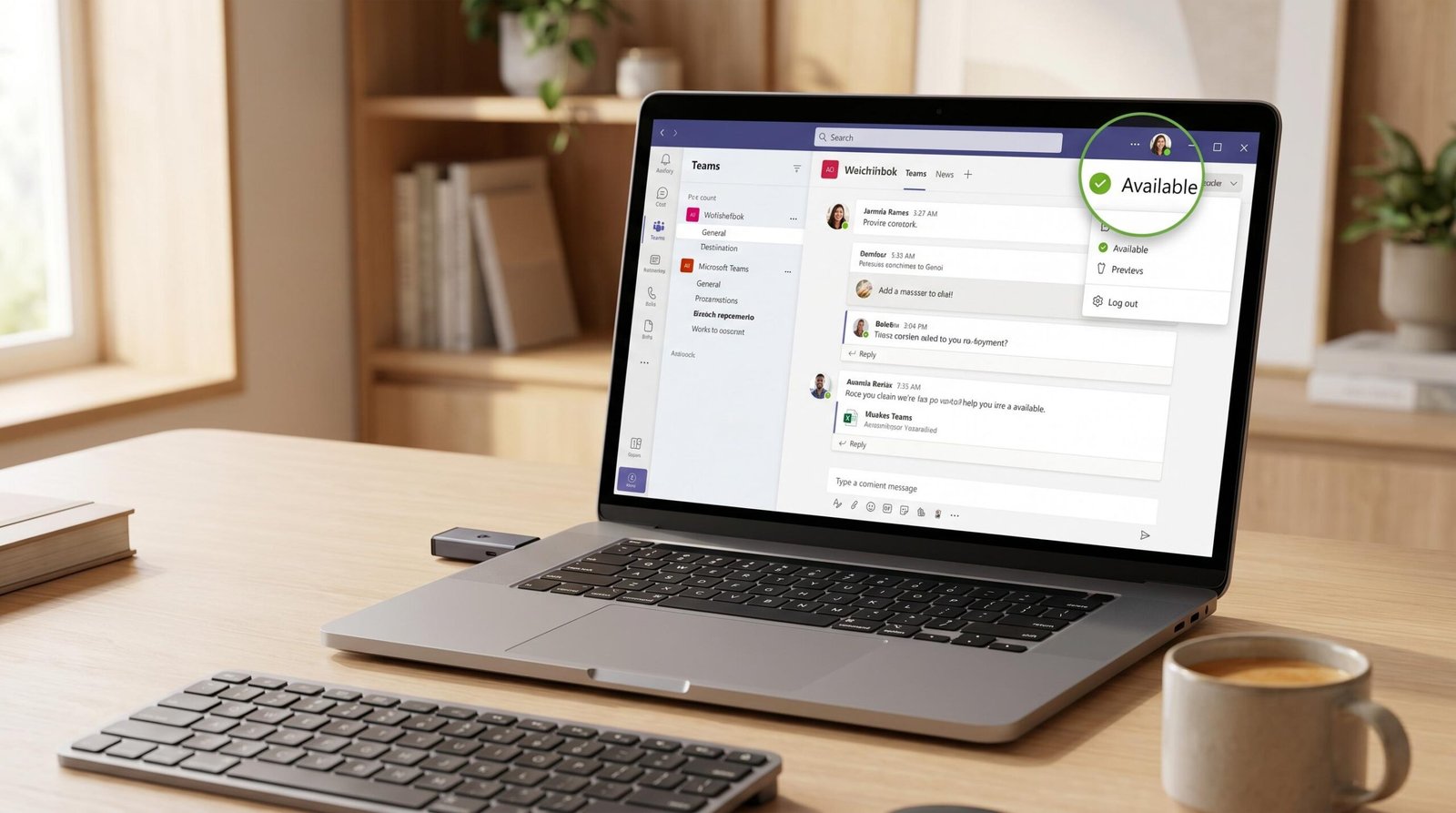
Best Mouse Jiggler for Microsoft Teams in 2026 (Free Picks That Keep You Green)
May 22, 2026 | by Ian Adair
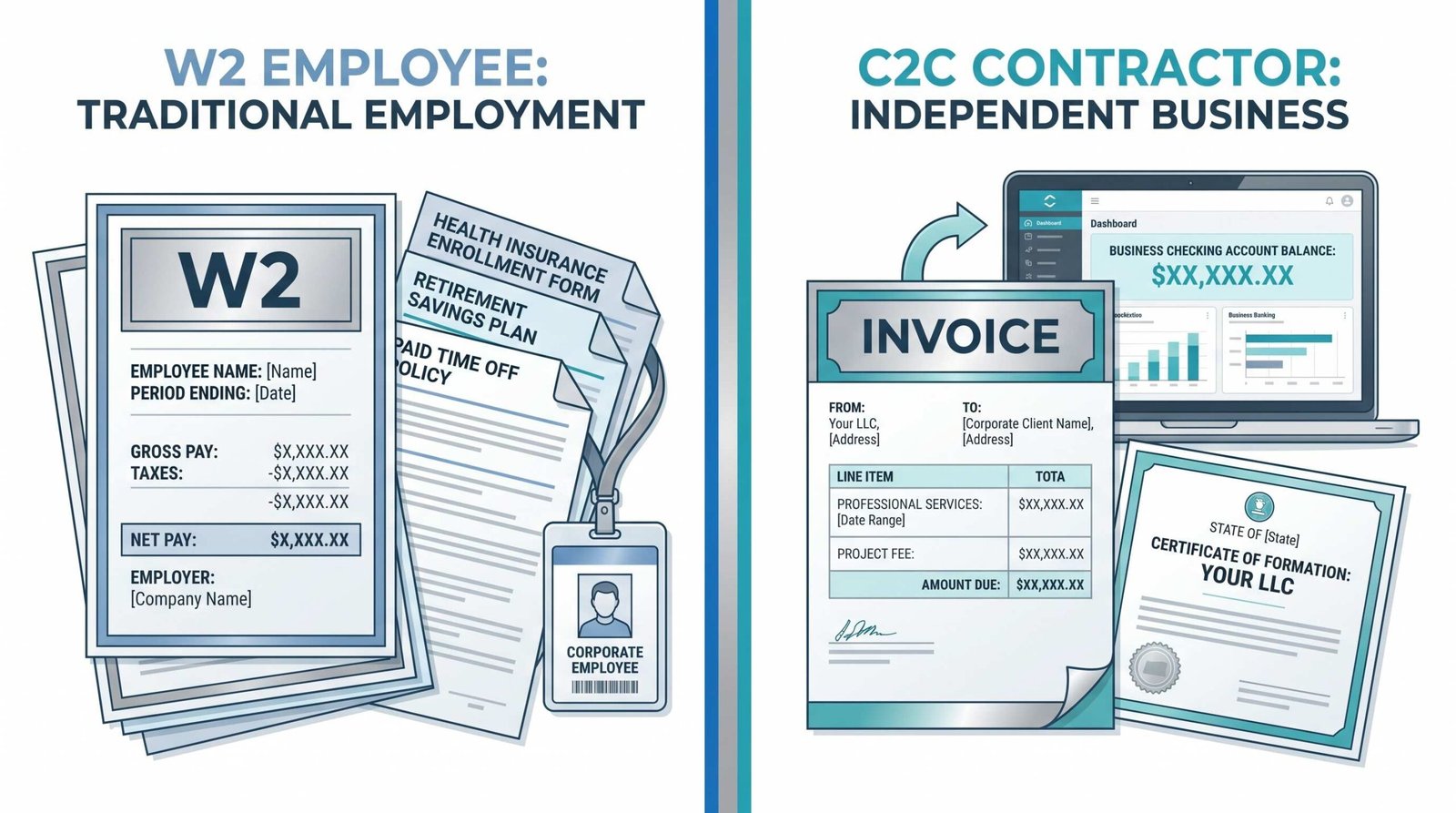
C2C vs W2: The Contractor’s 2026 Guide to Picking the Right Employment Type
May 21, 2026 | by Ian Adair

Overemployed Project Manager: Why PMs Are Built for OE (And How to Do It Right)
May 19, 2026 | by Ian Adair



Overemployed UX Designer: The Honest Guide to Running Two Design Jobs (2026)
May 15, 2026 | by Ian Adair
Overemployed Software Engineer: How SWEs Work Multiple Jobs in 2026
May 14, 2026 | by Ian Adair
Best Jobs for Overemployment in 2026 (Ranked by OE Feasibility)
May 13, 2026 | by Ian Adair
Best Mouse Jiggler for Windows in 2026 (Hardware vs. Software, Tested)
May 13, 2026 | by Ian Adair


Best Mouse Jiggler for Microsoft Teams in 2026 (Free Picks That Keep You Green)
Quick Answer: The best free mouse jiggler for Microsoft Teams is Move Mouse (free, Microsoft Store). For hardware, the TECH8 USA USB jiggler is the most reliable option. Both work by simulating OS-level input activity, which is what Teams reads to determine your presence status.
Microsoft Teams flips your status to Away after about five minutes of inactivity, and it always seems to happen at the worst moment. You step away to grab coffee, take a call on your phone, or read a long document on your second monitor, and suddenly that yellow dot appears next to your name. Managers notice. Coworkers ping you. The illusion of constant availability cracks.
A mouse jiggler fixes that. It keeps your Teams status green by simulating just enough activity to convince Windows you’re still at the keyboard. But not every jiggler is built the same way, and not every option is safe to use on a work machine. Some work only in the Teams web app. Some get flagged by corporate endpoint monitoring. Some are free, some cost money, and a few are worth the upgrade.
This guide walks through the best mouse jiggler options for Microsoft Teams in 2026, what each one does well, and how to pick the right type for your setup.
How Teams Reads Your Activity (What a Jiggler Has to Do)
Microsoft Teams determines your presence status by reading the Windows OS user idle timer, not by monitoring the Teams app itself. When you stop moving your mouse and stop pressing keys, Windows starts counting. After roughly five minutes of inactivity, Teams flips your status from Available (green) to Away (yellow). Your mouse jiggler’s job is to reset that idle counter before it ever gets there.
This OS-layer detection is documented in the official Teams presence documentation, and it’s the key reason any jiggler that simulates real input works. The system doesn’t care if a human moved the mouse or a piece of software did. It only cares whether input happened.
Here’s where the distinction gets interesting:
- Standard Teams (personal or small business): Reads OS idle time only. There’s no inspection of input source or pattern.
- Corporate Teams with Intune or MDM: Still reads OS idle time for presence, but the device may also have endpoint activity monitoring that logs application use, network activity, and HID input events separately.
This matters when choosing a jiggler type. Software jigglers simulate input at the OS level. Hardware jigglers do it at the HID (USB) level, which is what a real mouse does. On a personal machine, both work identically. On a heavily monitored corporate machine, hardware tends to be the safer choice because it generates the same signal as legitimate mouse movement. For a deeper look at whether Teams can actually detect a mouse jiggler, we have a full breakdown.
Best Free Software Mouse Jigglers for Teams
Software jigglers cost nothing, install in seconds, and work well for most home and lightly-managed work setups. Here are the three best free options in 2026.
Move Mouse (Best Free Pick)
Move Mouse is the cleanest free option you can use with Teams. It’s a Microsoft Store app, which means it installs through an official channel that most corporate IT policies will allow, and the executable is signed and verified. That alone puts it ahead of random utilities downloaded from third-party sites.
What makes it work well for Teams specifically is that it simulates pointer movement at the OS input layer, which is the exact layer Teams reads to determine presence. You can configure the movement amount, the interval between moves, total duration, and even set schedules for when it should run. It will not draw attention because the activity it generates is indistinguishable from a user nudging the mouse slightly.
You can grab Move Mouse on the Microsoft Store. Setup takes about two minutes.
KeepTeamsAwake (Chrome Extension, Teams Web Only)
If you use Teams through a browser at teams.microsoft.com rather than the desktop app, KeepTeamsAwake is the simplest free solution. It’s a Chrome extension that simulates mouse movement inside the Teams browser tab, which keeps the web client active and your status green.
The important caveat: it only works for the browser version of Teams. If you have the Teams desktop app open, this extension does nothing for you. The extension lives in the browser sandbox and cannot affect the OS-level idle timer that the desktop app reads.
You can install KeepTeamsAwake in the Chrome Web Store. One-click install, no configuration needed.
AutoHotKey (Free, Advanced Users)
AutoHotKey is a free Windows scripting tool that lets you write your own custom mouse jiggler in a few lines of code. It’s not as polished as Move Mouse, but for users who want full control without installing a dedicated app, a small script does the job.
Here’s a basic example that moves the mouse one pixel every three minutes and returns it to the original position:
#Persistent
SetTimer, JiggleMouse, 180000
return

JiggleMouse:
MouseGetPos, x, y
MouseMove, x+1, y+1, 0
Sleep, 100
MouseMove, x, y, 0
return
Save that to a .ahk file, run it, and you have a working jiggler. AutoHotKey requires installation and a little comfort with scripting, but the result is a tiny, fully customizable utility that you control completely.
Best Hardware Mouse Jigglers for Teams
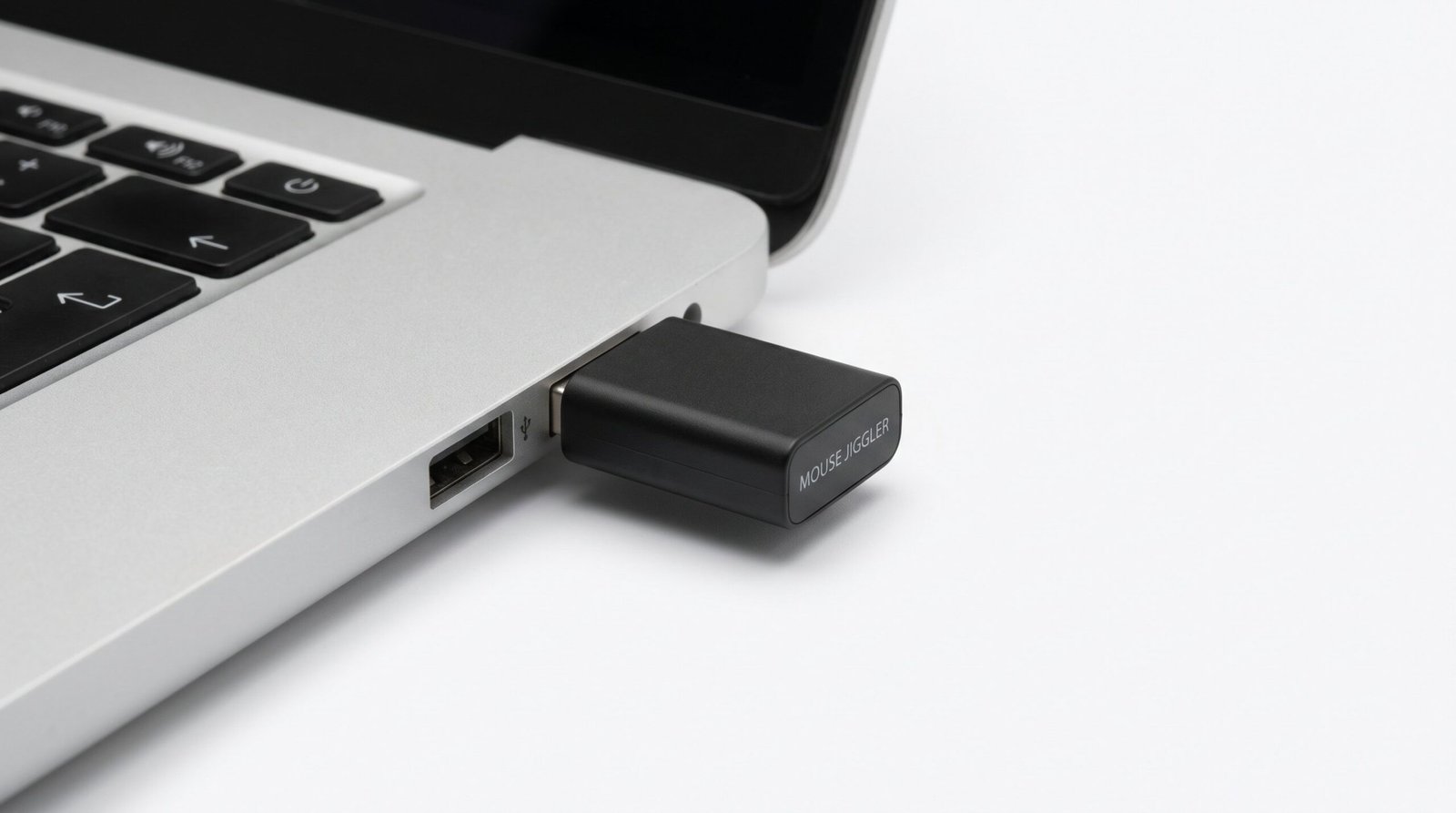
Hardware jigglers plug into a USB port and appear to Windows as a standard HID mouse. They generate genuine USB input events, which means even Intune or MDM endpoint monitoring sees legitimate-looking activity at the hardware level. For corporate-managed machines where software installs are restricted or scrutinized, hardware is the safer route.
TECH8 USA USB Mouse Jiggler (Best Overall)
The TECH8 USA USB jiggler is the most reliable hardware pick for Teams in 2026. It’s around $13, completely plug-and-play, and requires no software installation. You plug it into a USB port, and it starts moving the cursor in a small randomized pattern that keeps your Teams status green.
What sets it apart is that the packaging specifically calls out compatibility with Teams, Skype, and Zoom, and the product is marketed as certified undetectable. Because it appears as a generic HID device, it doesn’t show up in scans for known jiggler software. Search Amazon for “TECH8 USA mouse jiggler” to find current listings.
Vaydeer USB Mouse Jiggler
Vaydeer is the other hardware option that keeps showing up in the overemployed community, and for good reason. It’s under $15, has a solid metal build, and includes a physical dial that lets you control how often and how far the cursor moves. That’s useful if you want to dial down the movement to be less noticeable on screen.
For current pricing and additional hardware options, see our full Windows hardware mouse jiggler guide.
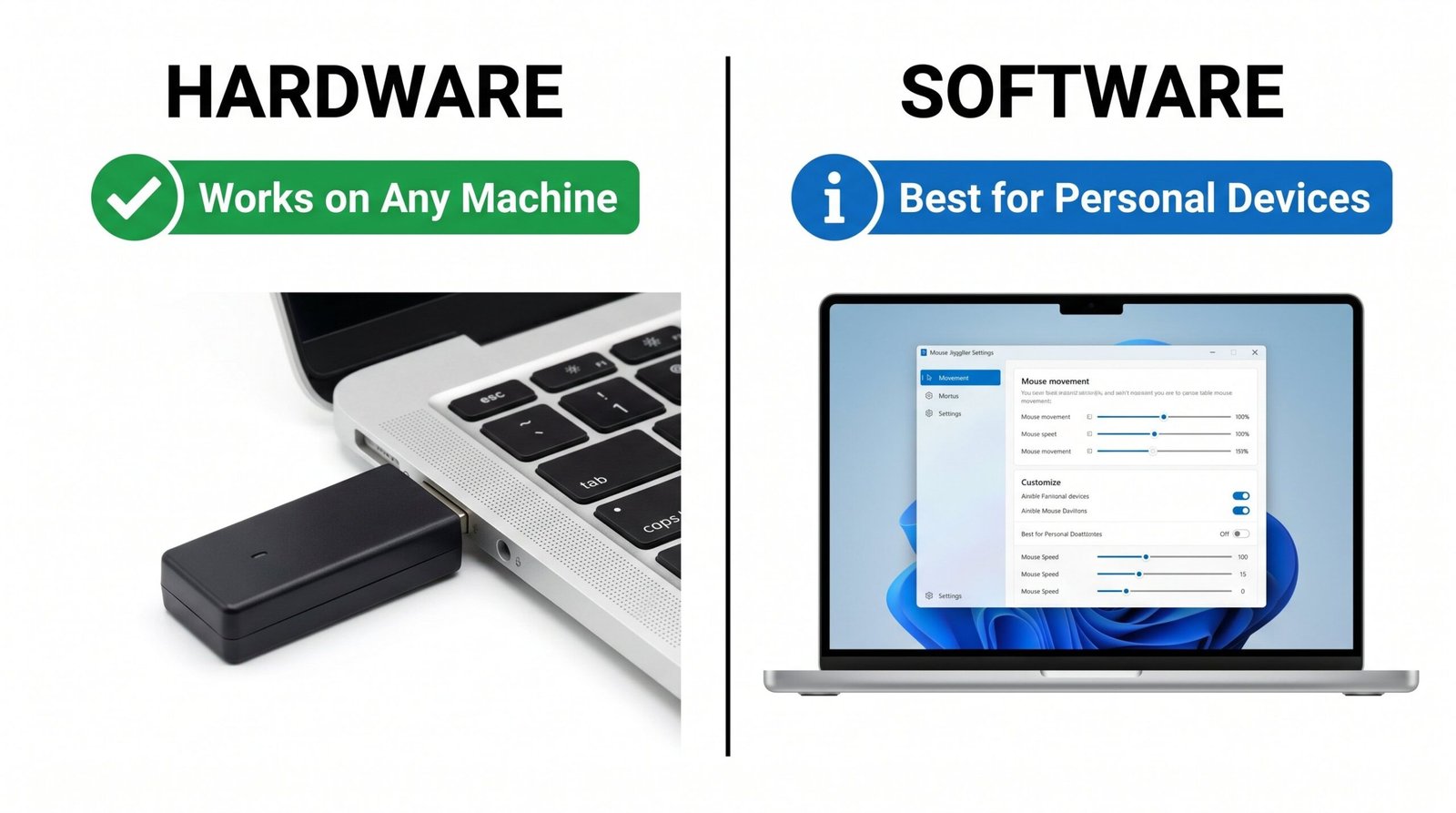
Software vs Hardware for Teams: A Quick Comparison
| Type | Works with Desktop App | Works with Browser Teams | Works on MDM/Intune Devices | Price | Teams Detection Risk |
|---|---|---|---|---|---|
| Move Mouse (Software) | Yes | Yes | Low risk | Free | Low |
| KeepTeamsAwake (Chrome ext) | No | Yes only | Medium risk | Free | Medium |
| AutoHotKey Script | Yes | No | Medium risk | Free | Low-Medium |
| Hardware USB Jiggler | Yes | Yes | Very Low | $10-20 | Very Low |
Which Should You Use? (Decision Guide)
Pick based on what kind of machine you’re on and how you use Teams:
- If you’re on a personal or lightly managed machine: Move Mouse is the simplest free option. It installs from the Microsoft Store, works with both the desktop and web versions of Teams, and gives you fine-grained control over movement settings.
- If you only use Teams in a browser: KeepTeamsAwake is the easiest Chrome extension. One click to install, runs only when the Teams tab is open, and requires zero configuration.
- If your machine is corporate-managed with Intune or MDM monitoring: A hardware USB jiggler is the safest bet. Nothing installs, nothing shows up in endpoint logs as third-party software, and the input it generates is identical to a real mouse.
For more options across both categories, see our full guide to the best mouse jigglers and best free mouse jiggler software.
Important Caveats
Before you set this up, a few things worth knowing:
- A jiggler doesn’t make you productive. It keeps your status green. Your actual work still needs to get done, and if your output drops while your status stays bright green for ten hours straight, that pattern is its own red flag.
- Advanced monitoring tools see more than just OS idle time. Software like Teramind, ActivTrak, and Hubstaff tracks application focus, window switches, keystroke patterns, and sometimes takes screenshots. A mouse jiggler alone won’t fool these tools, because they’re checking far more than whether your cursor moved.
- Check your employment contract. Most contracts don’t specifically prohibit mouse jigglers, but some remote work policies or acceptable use agreements may address them indirectly through clauses about productivity software or device modification.
- Hardware isn’t invisible. Read up on whether physical USB jigglers can be detected if you’re working on a heavily monitored corporate device. The short version is that they’re very hard to detect, but not impossible if IT looks at USB device logs.
Frequently Asked Questions
Does a mouse jiggler keep you green on Teams?
Yes. Teams determines your Available versus Away status based on the OS idle timer, and any jiggler that simulates mouse movement resets that timer. Both software and hardware jigglers work for this purpose, because Teams reads OS-level input activity rather than checking the source of that activity.
Will Teams detect that I’m using a mouse jiggler?
Standard Teams (personal or small business accounts) does not detect mouse jigglers. It only reads OS-level idle time and has no mechanism for analyzing movement patterns or input source. Corporate Teams with Intune endpoint monitoring adds more visibility into the device overall, but even then, what it sees is HID input activity, not a “jiggler detected” flag. There’s no built-in detection feature in Teams itself. For a fuller breakdown, see our article on whether Teams can actually detect a mouse jiggler.
What’s the safest mouse jiggler to use with work Teams?
A hardware USB jiggler is the safest choice for corporate machines. It generates genuine HID input at the USB level, which is indistinguishable from real mouse movement to any monitoring software that checks for input activity. Nothing installs on the system, nothing shows up in software inventory scans, and the device looks like a generic mouse to Windows.
Why does Move Mouse work better than some other software jigglers with Teams?
Move Mouse simulates actual OS-level input events (pointer movements) rather than just toggling an activity flag or pinging the keep-alive API. Because Teams reads the OS idle timer directly, real input events are what reset it. Move Mouse is also distributed through the Microsoft Store, which means it avoids the suspicion that comes with downloading third-party executables on a work machine. Signed Microsoft Store apps pass most corporate software policies.
Does my IT department know I’m using a mouse jiggler with Teams?
Standard monitoring software sees OS input activity, not its source. Your IT department would see “user was active at X time,” which is the same record they’d see if you were physically moving your real mouse. If your company uses advanced endpoint detection tools like Teramind or Hubstaff with screenshot monitoring and keystroke logging, those tools may catch inactivity in other ways regardless of what your Teams status says, because they’re not relying on the same signal Teams uses.